January 9, 2026
Welcoming a handyman into your home involves several preparatory steps to ensure that the job proceeds smoothly and efficiently. This article will guide you through the process of getting your home ready for handyman services to maximize productivity and maintain a safe environment for both you and the service provider. Whether you're addressing a list of repairs or a major home improvement project, preparation is key. This ensures not only that tasks are completed efficiently but also that your expectations align with the reality of the work done. Moreover, being prepared fosters a professional relationship, paving the way for future projects should you require additional assistance.
1. Assessing the Scope of Work
1.1 Compile a List of Tasks
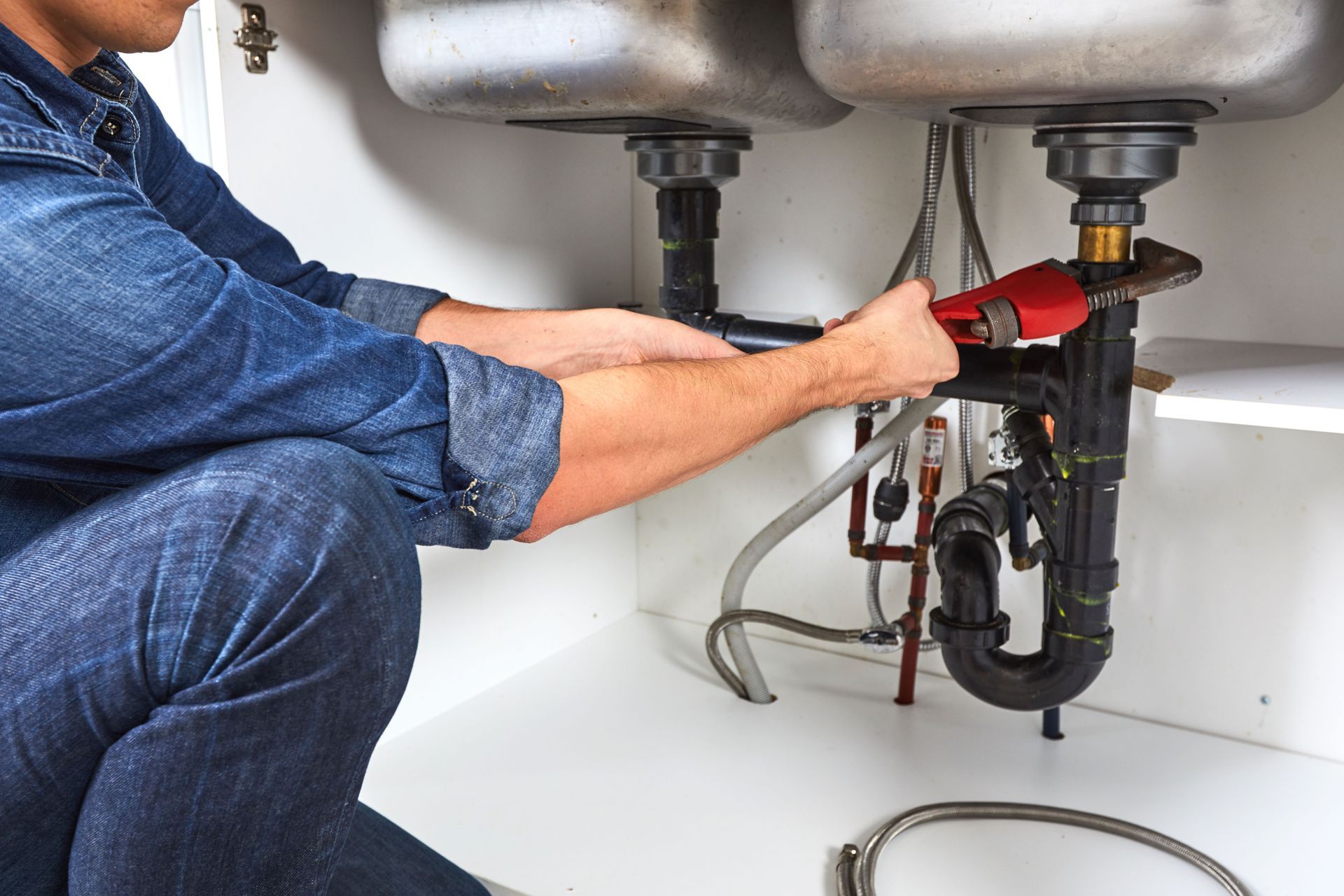
Begin by clearly identifying what needs to be fixed or installed within your home. Write down all tasks, from minor repairs like fixing leaky faucets to larger projects such as putting up new shelving units. A detailed list ensures you don't forget any task, and it serves as a communication tool with your handyman services. According to WebFX, four out of five American households will require handyman services at least once each year, highlighting the common need for such installations and repairs. Having a well-organized list will also help the handyman prepare in advance, ensuring they have the necessary tools and materials.
1.2 Prioritize the Tasks
Once your list is compiled, it's essential to prioritize it based on urgency and importance. Some repairs, like restoring electricity to a room or fixing a broken lock, take precedence over aesthetic adjustments or minor repairs. Prioritizing tasks helps allocate time efficiently during the service period and ensures that critical issues are addressed first. It also helps you manage your budget better, focusing on what is immediately necessary and planning for less urgent tasks later. This strategy is vital as unexpected issues could arise, requiring immediate attention and possible rearrangement of priorities.
1.3 Consult With the Handyman Services
Consulting with handyman services about the compiled and prioritized list is a crucial step. Engagement with your handyman helps ascertain their expertise and capability to handle the scope of your project. This gives you the opportunity to potentially adjust your expectations based on their professional advice. Open dialogue in this initial phase ensures both party's expectations are clear, mitigating risks of misunderstanding or incomplete tasks. Furthermore, this consultation can provide insights into alternative solutions that may not have initially been considered.
1.4 Gather Necessary Documentation
Before the handyman services arrive, gather any manuals, warranties, or instructions that can help with specialized tasks. This documentation can be extremely useful for tasks involving complex appliances or systems. It ensures that the handyman performs the installations or repairs in accordance with the manufacturer's guidelines. Having this information readily accessible not only saves time but also ensures that installations are done correctly the first time. Additionally, retaining these documents can be beneficial for future reference or when consulting other professionals.
2. Clearing the Work Area
2.1 Remove Personal Items
To prepare for the arrival of the handyman services, clear all personal items from the work area. Personal belongings like photos, decor items, or papers might be at risk of accidental damage during repairs or installations. Removing these items also helps the handyman work more efficiently, as clutter-free spaces are easier to navigate. This step significantly reduces the risk of damage and provides peace of mind about the safety of personal items. Ultimately, this simple act of organization ensures a smooth workflow for everyone involved.
2.2 Relocate Furniture and Appliances
Next, relocate any furniture and appliances from the work area. Moving these items not only avoids potential damage but also ensures easy access to repair sites, allowing tasks to be completed with efficiency. If tasks involve installing new equipment or systems, this preparation stage is particularly crucial as it provides ample room for the handyman to work safely and comfortably. If moving large items proves difficult, seek assistance from friends or family to prevent any personal injury. By establishing clear and open spaces, you help facilitate the optimum working conditions.
2.3 Cover Items That Can't Be Moved
Some items in your home might be too heavy or cumbersome to move. For these, use protective coverings such as sheets or tarps to shield them from dust, debris, or paint spills. Covering such items protects them from dirt and potential damage, ensuring they remain fresh and intact throughout the process. It's a simple step that saves time and avoids additional cleaning efforts after the handyman's work is complete. Moreover, by protecting immovable items, you allow the handyman to focus entirely on the task at hand rather than worrying about potential messes.
2.4 Provide Ample Workspace
Ensure there is adequate workspace for the handyman to lay out tools and equipment. A spacious working environment allows for quick and efficient task completion and reduces the likelihood of accidents or mishaps. Confirm that any necessary workspaces like tool benches or tables are clear of obstructions and available for use. This proactive preparation is essential, particularly if the tasks require precision or involve multiple components. Creating a well-organized and clutter-free workspace is a simple yet impactful way to assist in the smooth execution of tasks.
3. Ensuring Safety and Security
3.1 Highlight Hazardous Areas
Accidents can occur in any work environment, so it's essential to highlight any hazardous areas in your home to the handyman. Inform them in advance about potential danger zones like uneven floors, electrical hazards, or narrow stairways. This transparency allows the handyman to take necessary precautions and plan their work accordingly. Alerting them to potential hazards not only promotes safety but demonstrates respect for their professional well-being. Moreover, this preparation underlines your concern for a successful and accident-free project.
3.2 Secure Pets
If you have pets, secure them in an area away from where the handyman will be working. Pets can sometimes become distressed by work noise or inadvertently get in the way, posing a safety risk to themselves or the handyman. By keeping them in a safe, secure environment, you prevent stress and ensure they remain unharmed. This action also allows the handyman to focus entirely on the job without the added distraction or worry of pet intervention. Additionally, it protects pets from potentially harmful substances or materials used during the repair.
3.3 Discuss Security Protocols
When bringing a handyman into your home, discuss any security systems or protocols in place. Inform them about alarm systems, restricted areas, or any sensitive equipment with which they should not interfere. Transparent communication prevents accidental triggers and helps the handyman navigate the space without fear of setting off alarms. Additionally, these discussions clarify the boundaries for both parties, aligning with both the client's expectations and the handyman's scope of work. Taking these precautionary steps fosters a secure and trustful environment for the completion of your projects.
3.4 First Aid and Emergency Contacts
Safety is paramount during any home repair or improvement project. Position a first aid kit in an easily accessible location and make the handyman aware of its position. Additionally, provide emergency contact numbers or familiarize them with your home's emergency protocols. Small accidents can happen, making it vital that you equip the handyman with information and resources for quick response. Encouraging a proactive safety approach further eliminates risks, providing everyone involved with peace of mind.
By thoroughly preparing your home for handyman services, you contribute to a more efficient, safe, and satisfactory repair experience. Following these steps not only facilitates a smooth process but also fosters a positive relationship with your handyman, encouraging quality work and a more pleasant environment for future projects. Planning and organization, along with open communication and safety measures, lay the groundwork for hassle-free and successful service delivery. As a home owner, your readiness and involvement play a vital role in enhancing the quality and effectiveness of the handyman's work. Indeed, preparation is crucial, elevating the entire experience and outcomes for both parties involved. If you're looking for handyman services, contact Helpful Handyman LLC today.